State-level Child Welfare Data
Each state’s child welfare agency has a unique array of policies and practices for identifying and responding to child maltreatment. As a result, a family living in one state will experience the child welfare system in a different way than a family with the same set of circumstances living in a different state. Therefore, in studying child welfare, it is important to go beyond national statistics—which can mask state-level differences—in developing recommended policy and program responses. High-quality state-level data can help policymakers, practitioners, researchers, and other child welfare stakeholders answer important questions about the children and families served in each state and how policies, programs, and practices can best meet their needs.
Child Trends showcases state-level data on the following topics for policymakers, advocates, researchers, and reporters:
- Child maltreatment, foster care, and kinship caregiving
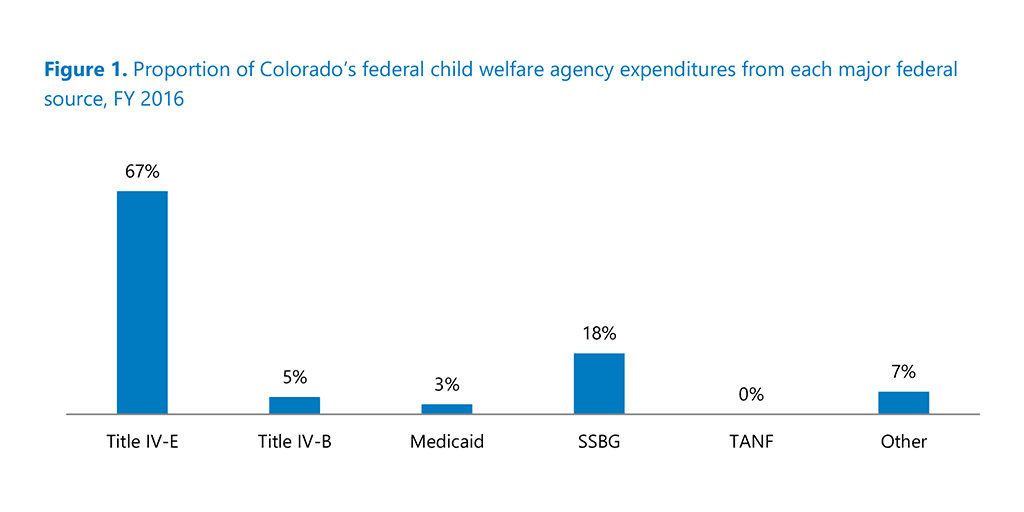
- The ways in which agencies fund child welfare services
- Trends over time and special populations of interest (e.g., racial and ethnic minorities, kinship caregiving, infants and toddlers, older youth transitioning to adulthood).
National and local media outlets regularly draw upon our State-level Data for Understanding Child Welfare page to provide context and bring awareness to pressing issues, such as the disproportionate treatment of Black children in the child welfare system as well as the need for continued services that support the successful reunification of children and families.