
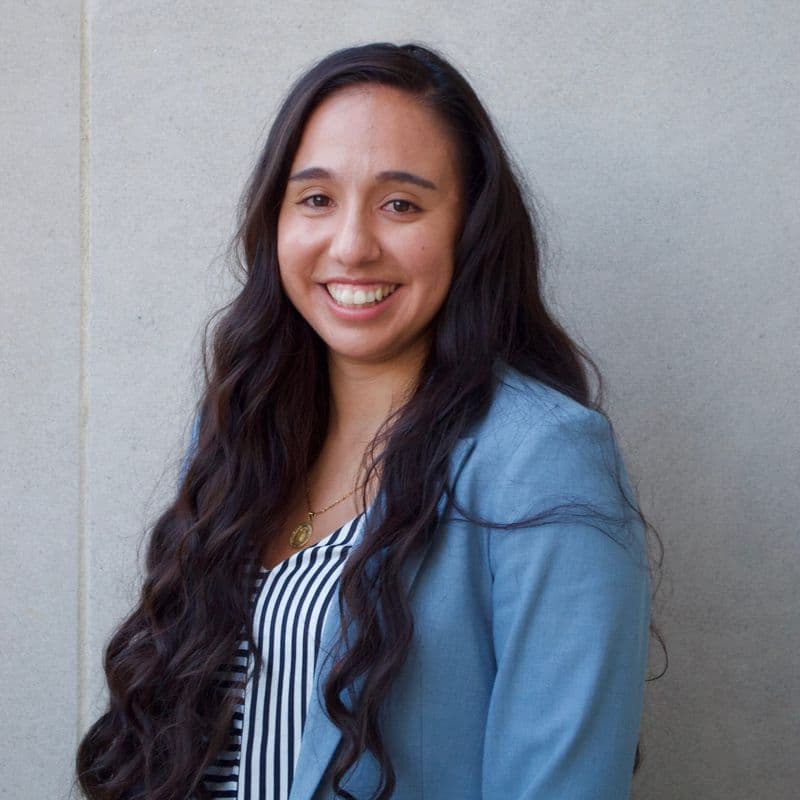
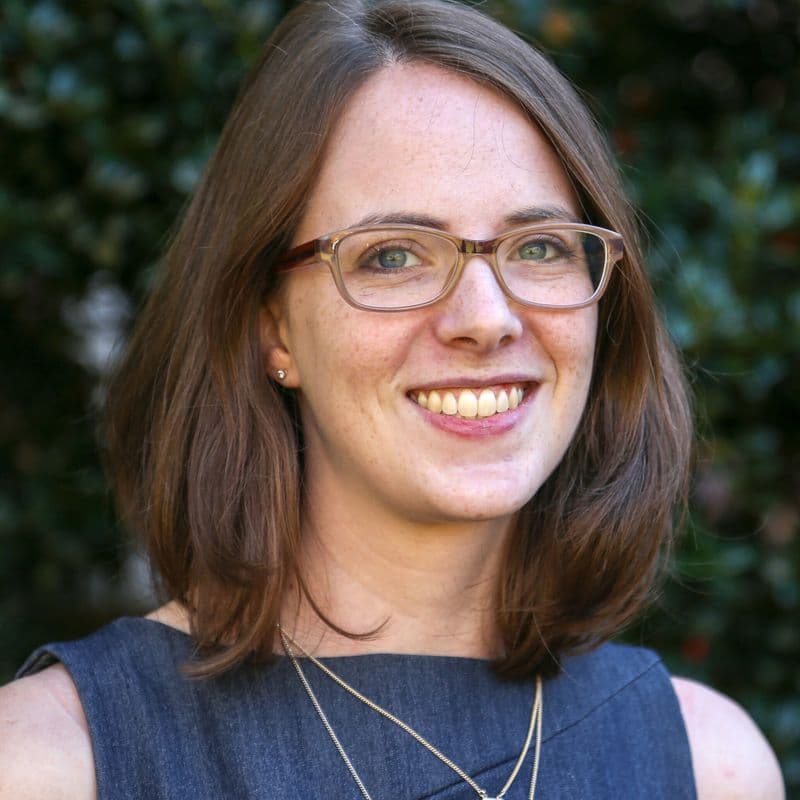
This interview is part of a new series on Vida de PhD—a podcast hosted by Lorena Aceves, a research scientist at Child Trends, that explores stories of impact at the intersection of research and people. In collaboration with Child Trends, this series aims to spotlight researchers whose work meaningfully supports youth, families, and communities. In this episode, Lorena interviews Dr. Renee Ryberg, senior research scientist at Child Trends, about her journey into research, her approach to making an impact, and her vision for the future of research on student parents. Below is a curated summary highlighting Renee’s responses during key moments from the podcast.
Student Parents, Poverty, and Partnering on Research, Featuring Renee Ryberg
Lorena Aceves (LA): What about research makes your heart happy?
Renee shared that she loves puzzles—especially the kind that matter in the real world. For her, research is the ultimate puzzle-solving activity, where she gets to address complex social issues piece by piece and contribute to meaningful change.
LA: Can you tell us about your background and research focus?
Renee’s work focuses on the intersection of higher education and anti-poverty policy. Much of her work centers on student parents—roughly 4 million individuals nationwide who are balancing parenting, school, and (often) work. She partners with colleges and institutions to improve policies and practices that support this often-overlooked group of students.
LA: How did you get into research?
Research found Renee in an unexpected way. Growing up in a small town, she first encountered sociology through a high school community college course and was immediately drawn to the study. Though she wasn’t initially sure how to translate that interest into a career, she eventually landed a research assistant role at Child Trends, which sparked a lasting commitment to research that makes a difference.
LA: Can you share an example of how your research has had a positive impact?
Renee shared examples of both macro- and micro-level impacts. At the national level, she contributed to a New York Times feature about the long-term decline in child poverty, helping bring data and context to a major public conversation. At the local level, she helped improve access to child care subsidies for student parents at community colleges by identifying and resolving a procedural gap that delayed support during the critical first days of a semester.
LA: How has community-engaged research changed you as a person and researcher?
Working closely with student parents has been transformational for Renee. Through her involvement with the SPARK Collaborative, she partners directly with student parents on research. Their lived experiences deeply inform the research process and have taught her about persistence, the importance of setting goals, and the importance of designing research that reflects the realities of those it’s meant to serve.
LA: What is your vision for the future of your research field?
Renee is energized by the growing awareness of, and momentum surrounding, student parents. With new programs and state policies emerging to serve this population, she sees a critical need for rigorous evaluation to understand what is actually working. Renee’s vision is one in which research supports the scaling of effective, evidence-informed solutions that help student parents succeed in college and beyond.
LA: What uplifting words would you like to share with researchers and communities?
Renee emphasized the importance of community and connection. Her message: Whether you're a student parent pursuing a degree or a researcher navigating uncertainty, “you are not alone.” She reminded listeners that others are on similar journeys as them—and that solidarity, support, and shared purpose are powerful tools for making it through.
Suggested citation
Aceves, L., & Ryberg, R. (2025). Student parents, poverty, and partnering on research, featuring Renee Ryberg. Child Trends. DOI: 10.56417/596k4268b