

%202-800x800.jpg&w=3840&q=75)
Career and Technical Education (CTE) encompasses a range of educational programming that combines academic instruction with hands-on technical training to introduce young people to, and prepare them for, various careers. CTE, broadly, is a promising approach for addressing youths’ educational and employment needs, but research on CTE in youth correctional settings is limited. The field knows more about “what should happen” in youth corrections rather than “what actually works, for whom, and under what conditions” inside these facilities. This blog—intended for practitioners and system leaders involved in CTE, youth justice education, and youth reentry efforts—identifies existing gaps in the research, highlights promising practices around CTE, and offers reflection questions to help facility administrators in youth corrections introduce young people to career pathways and better prepare them for future success.
A synthesis of multiple studies of adult correctional education (i.e., adult basic education, GED, vocational training, and higher education) finds that individuals participating in a prison education program are significantly less likely to return to prison. However, while these studies show the positive effects of vocational programs for adults, research has yet to identify which CTE components drive success in youth correctional facilities (for example, components that develop technical skills versus practical work experience versus connections to industry networks) or which program models work best across different sectors and populations. Evidence is limited on whether CTE programs in youth correctional facilities align with employer needs and lead to high-quality jobs with advancement potential. Only a few states collect data on basic workforce development outcomes for incarcerated youth when they return to the community.
Barriers to accessing CTE further limit its reach and impact among incarcerated youth. CTE availability varies by facility type: It is harder to access for girls, youth in higher-security placements, and youth with disabilities. Common obstacles to providing CTE in youth correctional facilities may include limited access to technology (such as lack of computers and other devices), security requirements, and lack of access to rigorous curricula and industry-standard equipment needed for high-quality programming.
Given these gaps and challenges, however, we nevertheless highlight five promising practices from the broader fields of CTE and correctional education that can be adapted to youth correctional settings:
- Develop cross-collaboration and formalize partnerships with local technical colleges and training centers so youth can start certificates inside the correctional facility, make progress toward their goals, and finish their credentials during or post-release. These collaborations should align CTE to high-demand local occupations and industry-recognized credentials, ensuring that students develop marketable skills that employers value, whether they pursue immediate employment or continue their education post-release.
- Design CTE programs and curricula that are relevant to youths’ real-life goals and integrate soft skills like communication, teamwork, and problem-solving. These programs should be aligned with standards and include assessment-driven education plans combined with wraparound supports that can help youth keep their jobs once they are hired (e.g., case management, mental health services, and mentoring).
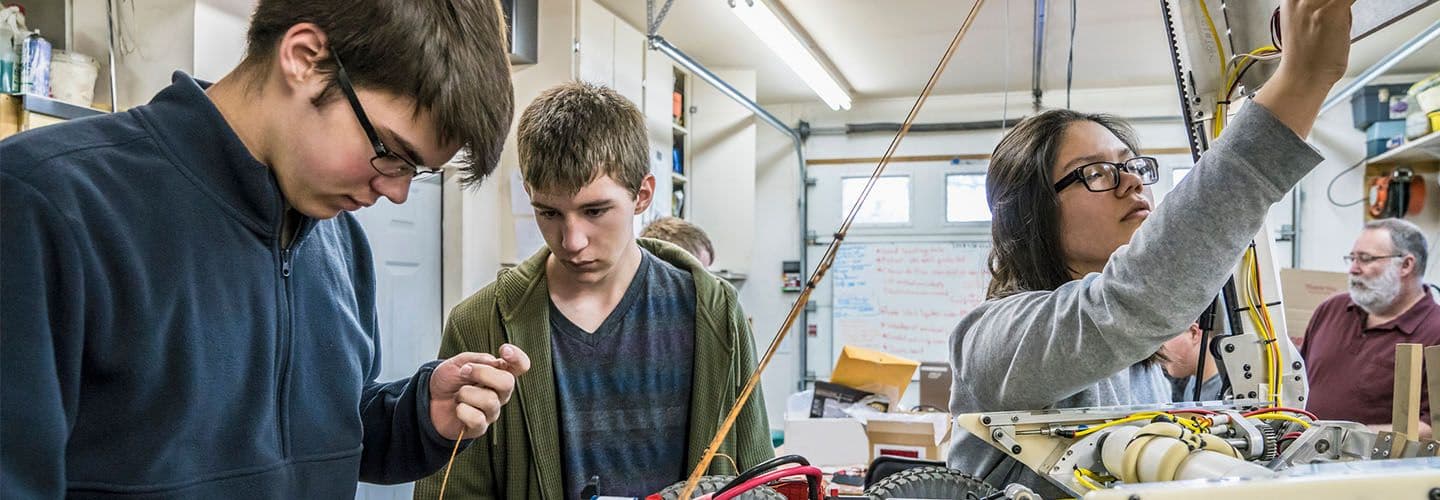
- Blend instruction with hands-on learning or simulated work environments to keep youth engaged and build practical skills. Flexible formats like short modules or online/hybrid courses let youth with shorter confinement periods make meaningful progress toward a credential or start coursework inside a facility and complete it post-release.
- Give youth a choice among several vocational pathways to increase buy-in and motivation. These pathways can span diverse industries from construction and culinary arts to graphic design and water technologies, allowing youth to explore fields aligned with their interests and local labor markets.
- Ensure that facilities develop individualized reentry plans at least 90 days prior to release that formally integrate CTE programming. This integration should include credit transfer mechanisms—for example, ensuring that credits and training hours earned inside the facility count toward credentials and certifications post-release. This will prevent educational disruption and increase the likelihood that students continue their training and complete their credentials post-release.
In addition to these promising practices, practitioners and correctional administrators should use the following reflective questions to consider how facilities can shape and strengthen CTE opportunities that prepare youth for meaningful career pathways:
- Based on youths’ needs, interests, and backgrounds, what CTE components (e.g., classroom instruction, hands-on training, industry partnerships) should your facility prioritize?
- How will you ensure that the skills taught in your CTE programs reflect labor market needs in your region?
- Are there gaps in your facility's technology, equipment, or instructional capacity that prevent you from offering industry-standard CTE training? What would it take to close these gaps?
Suggested citation
Okogbue, O., Chan, K., & Sacks, V. (2026). Promising practices for career and technical education in youth correctional settings. Child Trends. DOI: 10.56417/6794b285a