
Creating programs that truly make a difference takes more than just good ideas or personal experience—it also takes a clear, organized plan. Program developers need tools to help them design, improve, and evaluate their work in a thoughtful and effective way. One of the most helpful tools for doing this is a conceptual model.
A conceptual model is a simple visual map that shows how a program is expected to create positive change. It helps connect what a program does with the outcomes it hopes to achieve. The model makes it easier to focus on what matters most, track progress, and improve results.
Without a conceptual model, programs may lose direction, waste time and resources, or miss opportunities to help the people they are meant to serve. Conversely, programs with a strong conceptual model are more likely to stay on track, be effective, and show measurable results.
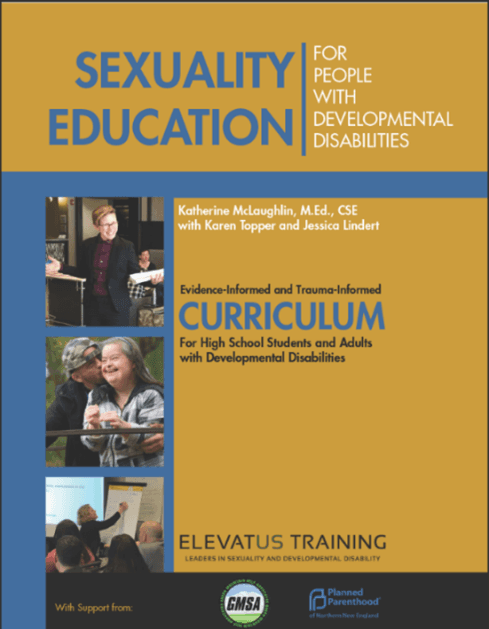
In this brief, we share our experience building a conceptual model for Elevatus Training’s Sexuality Education for People with Developmental Disabilities Curriculum (Elevatus Curriculum)—a program designed to provide sexuality education for people with intellectual and developmental disabilities. We explain the step-by-step process we followed for a year, the lessons we learned, and how this process helped make the Elevatus Curriculum even more effective. By creating a clear and simple model, we better aligned the curriculum with its goals and improved how it serves the needs of young adults with intellectual and developmental disabilities.
This brief is intended for two main audiences: people who fund the development, implementation, and research of adolescent sex education programs who are interested in how the conceptual model development process influences programs; and sex education program developers interested in improving their programs and/or better serving young people with disabilities.
The Elevatus Curriculum
The Elevatus Curriculum[i] (McLaughlin et al., 2018) was originally developed to fill a gap in sexual health programming (sex ed) for people with intellectual and developmental disabilities. Members of the disability community have requested this kind of programming—especially programming that includes people with disabilities in its design and development. One of our self-advocate contributors, Bobby, voiced this sentiment clearly, saying, “I find it troubling that so few people with disabilities have access to accurate sexual education at a level they can understand. Not everyone has the means and opportunity for proper sexual education." One of the co-authors of this brief, Katherine McLaughlin, founder of Elevatus Training and developer of the Elevatus Curriculum, created the curriculum to respond to the request for collaborative sexual health education by providing a program that was affirming and tailored for young adults with intellectual and developmental disabilities.[1] The Elevatus Curriculum is an evidence-informed program that incorporates concepts that support the rights of people with disabilities (e.g., self-advocacy, independent living, etc.) and provides strategies to avoid unwanted pregnancy and other related topics (e.g., types of relationships, public settings versus private settings, relationship skills, avoiding sexually transmitted infections (STIs), communication, decision-making skills, and sexual health).
Our Project
In 2024, three of the authors of this brief, Cook, Hunter, and McLaughlin,[2] applied for and were accepted to the Theory and Innovation Support Hub (TISH) run by The Policy and Research Group (PRG). We wanted to better integrate youth voices and perspectives, revise the curriculum to incorporate feedback from users, include a wider pool of people’s experiences, strengthen the program’s theory of change, strategize about how to share the curriculum throughout the field, and identify methodologies for conducting a rigorous evaluation within the population of young adults with intellectual and developmental disabilities.
Conceptual models in intervention development
A strong conceptual model is grounded in theory, empirical evidence, and professional experience. It shows the relationships between what a program delivers—like the lessons, activities, and tools—and the intended program outcomes. Figure 1 shows an example of a simple conceptual model.
Figure 1: Example of a simple conceptual model
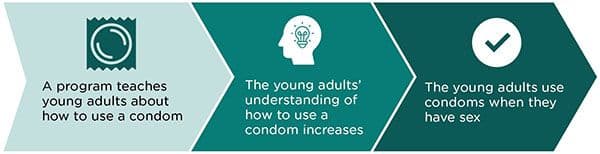
For program developers, funders, and program evaluators, the conceptual model serves as a tool to clarify the underlying logic of an intervention, identify the key components, and specify how behavior change is expected to happen. Overall, conceptual models help teams design more intentional programs that are theory-informed, communicate programmatic mechanisms clearly with stakeholders, and conduct evaluations that are focused. A conceptual model is not just a plan but is also a guide for future directions and modifications throughout the building, revising, refinement, and scaling phases of developing clear, effective programming.
Conceptual models are based on well-validated theories of behavior change. Programs developed using these theories are more likely to benefit participants and their communities than those that do not. Theories help us understand why people behave the way they do and what needs to happen for those behaviors to change. They can guide us in identifying the key factors that influence behavior and offer a roadmap for designing programs that are grounded in evidence. This gives the program a solid foundation and increases the chances that it will be effective and meaningful for participants.
The conceptual model development process
We began with a process, developed by PRG[ii] and adapted from the Behavior Change Wheel planning model, to guide us in developing a conceptual model and theory of change for the Elevatus Curriculum. The Behavior Change Wheel supported our team in clarifying program goals and mechanisms by mapping content directly to mediators—or steps in the process of behavior change—which is key for effective design and future evaluation. In the following paragraphs, we describe the overall steps and decisions we made throughout the process.
- Examine perspectives and values for doing this work. Throughout the TISH experience, we enacted principles to support the well-being of and access for all disabled people. One such principle is leadership of those most impacted—that is, those who are most affected by the work should be present and lead its development. The program was originally co-created with individuals with intellectual and developmental disabilities who understand the importance of developing an effective educational tool for people with intellectual and developmental disabilities. Additionally, each team member has personal experience with disability. Morrigan is Autistic and has Ehlers-Danlos syndrome; Katherine is a wheelchair user due to a spinal cord injury; and Elizabeth has a mood disorder-related disability. The input of this team as well as other disabled participants influenced the order of the lessons, the language used, and the content, which centers a positive view of disabilities. To enact this value during the first year of the TISH experience, we made sure that people with intellectual and developmental disabilities have been actively involved in evaluating the curriculum and making adaptations to better meet their needs.
A second principle is recognizing wholeness, which prompted us to ensure that we value people with intellectual and developmental disabilities as individuals with full and complex lives. We applied this perspective to ourselves as well, conducting the work in a way that was sustainable according to our own personal needs. For instance, we incorporated breaks into our regular meetings so we could pace ourselves, allowed team members to use the chat feature during meetings instead of speaking aloud when preferred, and readily rescheduled meetings when team members needed a break. Using these principles as a guide, we worked to ensure that the curriculum meets the needs of all participants with intellectual disabilities, regardless of their backgrounds. In the words of Corissa Pittman, self-advocate and contributor to the curriculum, “I believe that young adults and adults with disabilities need to feel seen in sexuality education. When people with disabilities feel seen in sexuality education, they live more autonomous, healthier, and overall happier lives.” Bringing these principles into a conceptual model makes it more likely that the corresponding program will reflect the realities of participants and will be easier to explain to funders, facilitators, and evaluators alike.
What is a Mediator?
A mediator is a step in the process of changing a behavior.
For example, a person riding in a car has the choice of wearing their seatbelt. However, before they wear it, certain mediators must be influenced.
- They need to learn how the seatbelt works before they can use it.
- They might be more motivated to use a seat belt if they learn about the rates of surviving a car crash with and without wearing a seatbelt or if their car insurance provides them with a financial incentive for wearing one.
- They might be more inclined to use a seat belt if they see their friends wearing one or if the driver insists that they wear one.
These mediators related to knowledge, perceived vulnerability, and social influences are important steps on the way to the behavior change of starting to wear a seatbelt.
What is a Mediator Group?
A mediator group is a collection of mediators that are conceptually related to each other.
Some of the mediator groups that are commonly used in evaluations of sexual health programs are knowledge, attitudes, intentions, and self-efficacy. There are many others, such as goals, skills, self-image, and norms, that program teams may also decide to focus on in their conceptual models.
In the seatbelt example above, the knowledge mediator group includes mediators of learning how seat belts work and that they affect safety. The perceived vulnerability mediator group includes understanding one’s risk of severe injury if not wearing a seatbelt during an accident. The social influences mediator group includes friends setting a good example by using seatbelts themselves and feeling the positive pressure of a driver that insists on seatbelt use.
When evaluating a program, it is acceptable to assess for impacts on several mediators from the same mediator group, but a conceptual model should only include the mediator groups that are the most likely to bring about change in the target behavior.
Which mediators did we select for our conceptual model?
- Knowledge of STI transmission and prevention (knowledge)
- Ability to navigate obstacles to barrier method use (skills)
- Confidence in negotiating barrier method use with a sexual partner (beliefs about capabilities)
- Belief in own self-worth (self-image)
- Belief in own sexual rights and a partner’s sexual rights (self-image)
- Identify the problem, focal population, and target behavior for the conceptual model. Next, we worked to identify a problem affecting our focal population. Defining a specific behavior and population is often a first step in making a program measurable, changeable, and testable. This ultimately leads to improvements in clarity and opportunities to directly measure impacts and progress toward goals. The focal problem needed to be one that a program team could positively change via impacts on a more immediate target behavior. For this program, we identified poor sexual health outcomes, including high rates of unwanted pregnancy and STIs as the problem we wanted to address with this conceptual model and theory of change.[iii] We chose young adults ages 18-24 with intellectual disabilities as our focal population and consistent and correct use of barrier methods, such as condoms, as the target behavior that could lead to improved sexual health outcomes, including lower unwanted pregnancy rates and STI rates. We chose this population because they are likely to be in settings conducive to the teaching of this curriculum and may already engage in sexual activity.
- Understand what is already known about changing the target behavior for the focal population. Next, we reviewed the scientific literature to learn what works and to identify a theoretical framework that could guide decision making in future steps. We searched peer reviewed journals for articles on how to influence or modify the use of barrier methods among young adults with intellectual disabilities. We wanted to learn which mediators (steps in the process of changing behavior, e.g., attitudes and beliefs, self-efficacy, knowledge) the program should target.
- Identify the mediators necessary to change the target behavior. Mediators are steps to behavioral change, and they can be grouped by theme. Starting with a comprehensive list of mediator groups like the one by Atkins et al., we selected the groups of mediators that are most likely to influence behavioral changes based on research and professional expertise. This step was especially important, as it helped to develop a clear pathway to impact. This provided the structure around which to design or adjust the program content and activities that specify the ways in which changes affect outcomes within the model and increases the likelihood of impacting the target behavior. When mediators are specific and grounded in evidence and theory, they help ensure that each aspect of the programming is working as intended. We sought additional insight through interviews with young adults with intellectual disabilities and experienced facilitators of the Elevatus Curriculum. Using all the information we gathered, plus our own experience with disability and sexuality education, we selected the following five mediator groups: knowledge, skills, self-image, beliefs about capabilities, and attitudes toward behavior.
- Identify the individual or environmental changes needed to prompt the desired behavior change. Next, we examined the barriers that make the behavior more difficult and the supports that might encourage the behavior. People interested in replicating this process can use structured tools and models like COM-B, the Behavior Change Wheel, or the Theoretical Domains Framework to pinpoint the specific factors that need to be addressed for the target population. For example, this might include improving access to resources, strengthening skills, or shifting beliefs and attitudes with the ultimate goal of designing a program that is more likely to succeed in changing the selected mediators. An example of a knowledge-related mediator we identified is “where to obtain barrier methods.” In the Beliefs about Capabilities group, two of our mediators were “confidence in ability to obtain barrier methods” and “confidence in negotiating barrier method use with a sexual partner.”
- Modify and select final mediators. From the full list of mediators identified, we picked several that were the most important for changing the target behavior (and thus, most important for the program to influence) based on research, professional experience, and what is most feasible for their specific intervention to address. In the process of creating a manageable set of mediators, we found that we needed to combine mediators. Additionally, not all initially identified groups were represented in the final list of mediators. At this step, the selected mediators are the ones that will be included in the conceptual model and tested through data collection. Having this final set of mediators helps focus the program on what matters most, which saves time and effort during refinement and increases the chances of seeing meaningful change due to programming.
- Revise curriculum. After selecting our mediators, we carefully reviewed the program content to ensure that lessons and activities maximally supported participants’ learning and influenced the mediators in the desired way. We will eventually collect data from class participants to determine if the mediators are being influenced in the anticipated ways.
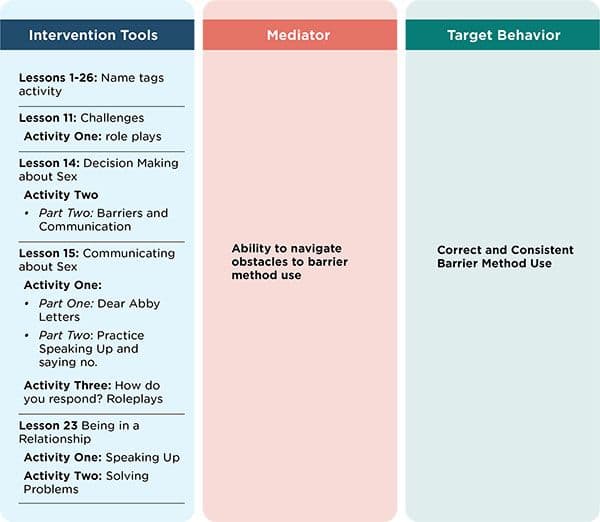
- Create overall and mediator-specific conceptual models. The last step in the conceptual model development process before testing the program with the priority population is creating and delineating the conceptual models themselves. This process should produce an overall conceptual model that represents the entire program and individual conceptual models that focus on one mediator at a time. Figure 2 shows our conceptual model for the skills-based mediator (ability to navigate obstacles to barrier method use). To illustrate the flow from sexuality information to impact, the lessons and activities that we intentionally designed to influence this mediator are on the left; the mediator is in the center as a step between the program components and behavior change; and the intended behavior change is on the right. These conceptual models are tools to further refine, adapt, and strengthen aspects of programming while staying grounded in theory and concepts. Parsing out each mediator and inspecting how it relates to the overall conceptual model and each lesson ensures that the conceptual model can be a practical tool in guiding change and refinement.
Figure 2: Conceptual model for Elevatus Curriculum’s skills related mediator
Insights from the conceptual model process
Developing a conceptual model using the steps described above revealed key insights into how we could improve the Elevatus Curriculum.
Developing a strong conceptual model takes time, flexibility, and input from a broad team. When we started this process, we enthusiastically embraced the flexibility and significant time investment we knew the process would require. However, we underestimated how iterative the process would be and how intensely we would need to think about each step. The tools and guidance PRG provided made the intensive process manageable and fun and gave us a clear path to follow as we strategically revised the curriculum to impact the targeted behavior. To complete the conceptual model development process, we met for 1-2 hours each week for nearly a year. We also met regularly with PRG staff and outside expert consultants. We consulted with seasoned Elevatus Curriculum users (including users with intellectual and developmental disabilities) to understand the strengths and weaknesses of the program and considered the ease of and barriers to implementing the program. In particular, Cade Boyles was an especially helpful consultant for their expertise in accessible sexuality education.
When the data does not exist, the work can still be done. We were disheartened, but not surprised, when we conducted the literature review on the sexual health of people with intellectual disabilities and learned that there was essentially no scientific literature on the topic. Although there was information on the lack of programs for people with intellectual disabilities, there was little to nothing on the results and effectiveness of sexual health programs for people with intellectual disabilities. Our literature review confirmed what we had seen in practice: sexual health for people with disabilities has not been a priority of science funders, researchers, and others who play a role in producing empirical evidence. Fortunately, PRG encouraged us not to stop when we encountered this obstacle but, instead, to fill the gap with stakeholder input and our own expertise.
According to Hunter and McLaughlin, two co-authors of this brief who have extensive expertise on sex education for young people with disabilities, most sexual education programs that currently exist do not meet the needs of people with disabilities for a variety of reasons: They are designed for all youth and lack the teaching techniques and content that people with disabilities often need; they take a paternalistic perspective on disability by conveying that those with additional support needs must be protected from sexual experiences and topics; or they fail to address the defeating messages that people with disabilities experience daily about their worth, desirability, and rights. Programs for people with disabilities should focus heavily on self-worth and negative societal pressures because many people with disabilities are taught to be compliant. This perspective can potentially be a barrier to using protection and asserting one’s agency in other situations. Regardless of the program topic, programs should help people with disabilities develop a positive sense of self, have fulfilling relationships with others, and heal from abuse and negative social messaging that they have internalized. Through developing a conceptual model, we realized that the Elevatus Curriculum had many strengths related to serving people with disabilities, but it did not adequately focus on the constant barrage of negative messages they encounter about their worth, which has ripple effects throughout their lives and relationships.
Given this context, while our goal was promoting the benefits of barrier methods, we decided to frame barrier method use in terms of a person’s rights and responsibilities. Additionally, we highlighted the need to develop confidence and self-worth to advocate for personal desires and needs. We also believe that by directly addressing via the Elevatus Curriculum the ubiquitous negative messaging about disabilities, externally in our society and internally in Elevatus Curriculum participants, we will be able to help support people with disabilities in re-examining the harmful messages about sexuality that they may have received. For example, this includes the idea that they must be compliant with what others want. Addressing the nuances of these dynamics confirmed the need for a comprehensive curriculum, so we maintained the length of the Elevatus Curriculum and avoided removing lessons.
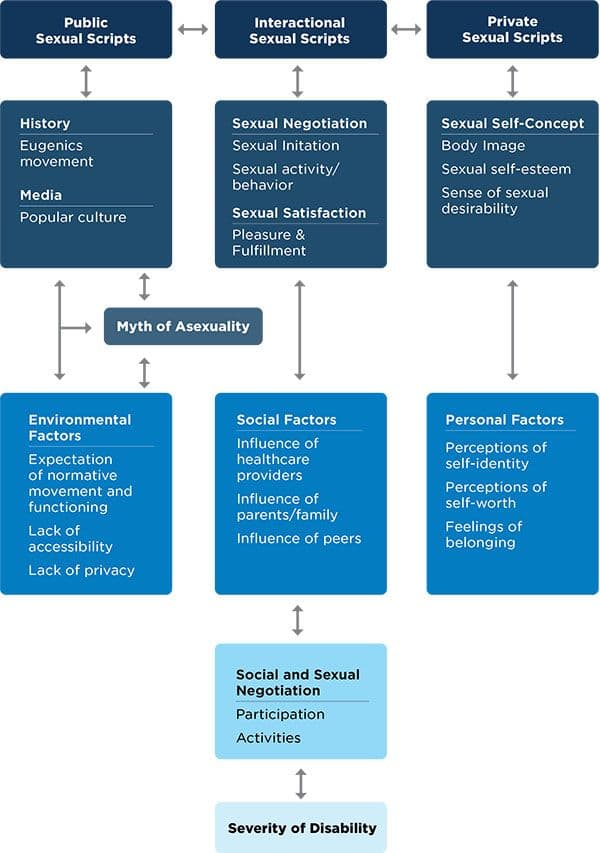
Theoretical frameworks help bring structure to decision making. Choosing the right theories gives program leaders a strong basis for explaining to others why a program should work based on what we already know about behavior change. Our team found that identifying two theoretical frameworks relevant to our work helped guide our process and made it easier to decide what to prioritize for our conceptual model. During our literature review, we decided that the Dune Model of Sexuality with Disability (DMSD) and the Information-Motivation-Behavioral (IMB) Skills Model were the theories that best aligned with our work and corresponded with different levels of the conceptual model (see Figures 3 and 4). We used the IMB model to guide selecting mediators that were most closely linked to behavior change, while the DMSD model helped us ensure our program content acknowledged structural and societal barriers that influence how participants experience sexuality. These theories helped us align program content to immediate and upstream factors that shape participant experiences.
Figure 3. The Dune Model of Sexuality with Disability
Note: Figure 3 was recreated to make the text easier to read. The original image is from https://www.elevatustraining.com/wp-content/uploads/2025/03/Evidence-Informed-Report-Sexuality-Education-for-People-with-DD-.pdf
- The Dune Model of Sexuality with Disability (DMSD). This model describes the construction of sexuality in people with cerebral palsy. We appreciated that it included a person’s support needs[3] as well as historical factors like the eugenics movement and environmental factors like the expectation of normative movement and functioning and lack of accessibility.
Figure 4. Information-Motivation-Behavioral Skills Model
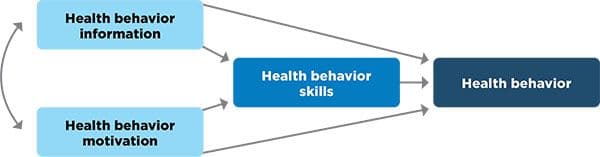
- The Information-Motivation-Behavioral Skills (IMB) Model. We were drawn to this model for its simplicity and applicability to our intervention. This model, developed by Fisher et al., explains how information and motivation about health behaviors influence each other and lead to changes in health behavior skills. Then, all three—information, motivation, and skills—influence changes in health behaviors.
Designing a program around a carefully developed conceptual model will bring cohesion to the program. Before TISH, co-author McLaughlin regularly adjusted the Elevatus Curriculum’s lessons as she received feedback from participants and facilitators. Occasionally, she sought out formal reviews of the curriculum on topics such as technology. Over time, the program grew longer and became known for covering a wide range of important topics on which most people with intellectual and developmental disabilities rarely receive instruction. She knew each lesson of her program played an important role, but she had no structured way to identify and consider the full range of factors that influence her participants. The conceptual model development process allowed us to step back, consider what works for these young people, identify a core set of values that the curriculum would reflect, and thoughtfully revise the curriculum for maximum impact. Furthermore, working with an evaluator through this process did not just improve the curriculum—it strengthened our ability to make the case for it when talking to funders, partners, or researchers.
Changes to the Curriculum Prompted by the Conceptual Model Process
The guidance we received from PRG as we completed the conceptual model process provided the structure we needed to make changes to the curriculum.
Each lesson has been reviewed for alignment with the mediators, and new lessons have been added about mediators that were missing. Once we identified our five mediators, the next steps became clear. We had to ensure that the program had the best chance of changing the mediators, which would then potentially change the target behavior. We meticulously reviewed the Elevatus Curriculum lessons to determine which lessons did and did not address the selected mediators. We strengthened the lessons that already contained content that we predict will influence our mediators by adding or changing content. For instance, the lesson on communicating about sex already addressed the belief in one’s own/partner’s sexual rights mediator, but we strengthened it by adding an advice column letter on talking with a partner about protection. This is meant to help learners navigate obstacles to barrier method use and the confidence in negotiating barrier method use with a sexual partner mediator.
Our review of the curriculum revealed that some of the mediators were not addressed at all. For instance, the two mediators related to self-image (belief in one’s own self-worth and belief in one’s own sexual rights and a partner’s sexual rights) were not explicitly addressed in the curriculum. Therefore, we created new lessons, strengthened existing lessons, and are testing them with people with intellectual and developmental disabilities to get their input.
Lessons have been strategically reordered so that core content is presented earlier and reinforced over subsequent lessons. Before this project, most of the Elevatus Curriculum’s content about sexuality, one’s body, pregnancy, and STIs had been presented in the last few lessons. The curriculum sections had been grouped into three sections: foundations (e.g., types of relationships, public and private, decision making and communication skills), relationships (e.g., how to meet a partner, communicating in relationships, healthy/unhealthy/abusive relationships), and sexual health (e.g., body parts, sexual feelings and acts, pregnancy). The feedback that co-author McLaughlin had received was that people were uncomfortable talking about body parts early on in the course and that relationships and boundaries were less awkward. As a result, she reordered the lessons to reflect this feedback. However, drawing on years of experience as a program evaluator, co-author Cook suggested moving the sexuality-related content earlier in the curriculum to allow for reinforcement of these topics over many lessons and to increase participants’ opportunities for learning about them. Now, the sections are clustered into the following three groups: you (e.g., sexual rights and self-advocacy, consent and boundaries), your body (e.g., pregnancy, body parts, sexual feelings and acts, decision making and communication about protecting your body), and your relationship (e.g., meeting people, dating skills and rejection, communicating in relationships, and “has your relationship gone bad?”). This reordering allows participants to learn about their own bodies before learning about romantic or intimate relationships. For example, the STI prevention content initially started in Lesson 21; now it starts in Lesson 12.
Exploring game-based approaches to instruction and assessment. Teaching program content and assessing student learning can be challenging, especially in a fully virtual setting. As we revised the curriculum around our five selected mediators, we realized it might be difficult to teach the content related to the skills-based mediator (ability to navigate obstacles to barrier method use) and meaningfully assess participants’ skills. We connected with researchers at the University of Northern Colorado who are innovators in using games as teaching and assessment tools for people with intellectual disabilities. They are in the early stages of developing a game that exposes participants to scenarios where they encounter common obstacles to barrier method use. Participants work with a facilitator to learn the game and overcome barriers and then play in small groups without a facilitator. We plan to use this game to teach this skill and to assess learning and mastery of negotiating barriers. That way, content about each mediator can be taught and assessed in a thorough and appropriate way. This game-based approach may generate new kinds of data to demonstrate learning and skill development, which highlights the fact that theory-aligned innovations do not have to be traditional or boring.
Next Steps
This brief describes the process we have taken to develop a conceptual model for the Elevatus Curriculum. This project has concluded, but were we to continue the work, next steps might include further revising the curriculum and identifying its core components, testing newly developed lessons, and implementing the full updated curriculum with young adults with intellectual disabilities. Another next step could be to collect preliminary data from people who participate in implementation testing and explore ways to eventually conduct a rigorous evaluation of the program.
Conclusions
Program creators often rely on personal expertise to guide initial framing of program content. However, using a conceptual model to reflect and further develop the program toward an end goal creates a more strategic and effective way to change behaviors. The process of creating a conceptual model for the Elevatus Curriculum has transformed it into a carefully crafted intervention intentionally designed to bring about specific changes in participants’ behavior. It empowers the program developer to communicate how the program was designed to affect change. The conceptual model also strengthens the likelihood that the program will demonstrate statistically significant impacts on barrier method use in future evaluations they may pursue. Providing program teams with funding to critically review their program, receive mentoring from experts, test new ideas with end users, and collect basic data is a smart investment that results in programs situated to make the greatest impact possible. For those who might feel overwhelmed by the various components of their program or who are unsure how to explain its impact, a conceptual model can help bring clarity, alignment, and confidence to their work.
About the Authors
Elizabeth Cook, MSPH, is a researcher, program evaluator, and project director at Child Trends specializing in adolescent sexual and reproductive health. With more than 15 years of experience, Cook leads randomized control trials evaluating adolescent sexual health programs and provides technical assistance to states and organizations that receive federal funds to provide adolescent sex education. Cook has published in top journals like JAMA Network Open and American Journal of Public Health and has been quoted in the New York Times as an expert on teen pregnancy. Cook holds a Master of Science in Public Health from Johns Hopkins University.
Morrigan Hunter, M.A., MSW, has eight years of experience advancing the sexual health and rights of people with disabilities. Hunter has partnered with organizations such as Oregon Health & Science University, Foundations for Divergent Minds, Kaiser Permanente of Northern California, the National Disability Rights Network, The Arc of Illinois, the Illinois Coalition Against Domestic Violence, and the Consent Academy. Hunter’s work includes organizing community support groups for survivors of abuse, conducting qualitative and mixed methods research studies about people with disabilities’ experiences of abuse, sexuality education, and reproductive healthcare, and delivering education on consent, discrimination and stereotypes, and trauma-informed care. Hunter also provides sexuality and reproductive health education tailored to the disability community and its supporters. Hunter holds an Master of Arts in History from the University of Oregon and a Master of Social Work from Portland State University.
Katherine McLaughlin, M.Ed., AASECT Certified Sexuality Educator, is the founder and CEO of Elevatus Training. A nationally recognized expert in sexuality and intellectual and developmental disabilities (I/DD), McLaughlin has worked extensively to empower self-advocates to become more confident. McLaughlin trains self-advocates as peer sexuality educators and offers professional and parent training on teaching sexuality to individuals with disabilities. McLaughlin has developed key resources, including two widely used curricula and a three-day certification program for sexuality educators. McLaughlin also offers self-paced online courses for professionals and parents. With more than 30 years of experience, McLaughlin’s work focuses on elevating the voices and status of all individuals, which is reflected in the name of McLaughlin’s company, Elevatus Training.
Acknowledgements
The authors sincerely thank the following individuals whose direct and indirect contributions made this research brief possible: Corissa Pittman, who serves as a consultant on youth and disability related topics for this project; Cade Boyles, who provided their expertise on disability and sexual health; the young adults we interviewed during the mediator selection process to better understand their needs and experiences, including Aaron Soderfelt and Will Benton; the Elevatus Curriculum facilitators who shared their insights about the original curriculum during interviews, Mary Shehan, Mari Schnacht, Brooke Jackson, Frank Vaca, Melissa Hochberg, Arlene Letcher, Sherry Borato, Christine Drew, Susan Rogers, Peighton Pratt, Amante Coppes, Gale Hann, Maria O'Donnell, and Kelley Wilds; the PRG expert consultants who provided support throughout the conceptual model development process; and Child Trends staff Alex Verhoye, Kristen Harper, Mark Waits, and Catherine Nichols for their fact checking, policy review, editing, and graphic design support, respectively. This project was funded by the U.S. Department of Health and Human Services’ Office of Population Affairs (OPA).
AI Disclaimer
The authors of this brief used ChatGPT to revise their initial draft of the introduction section so that it now uses plain language and is more accessible to a wider audience (OpenAI, 2025).
Suggested Citation
Cook, E., Schaefer, C., Hunter, M., McLaughlin, K., Qaragholi, N., Picciola, A., and Jones, J. (2025). Leveraging conceptual models to refine a sexual health curriculum for young adults with intellectual disabilities. Child Trends: DOI: 10.56417/8955h3390j
Footnotes
[1] We use the terms “intellectual disabilities” and “intellectual and developmental disabilities” to distinguish between the focal populations of the conceptual model process and the original Elevatus Curriculum, respectively.
[2] Unless otherwise noted, the collective “we” in this brief represents the team of Cook, Hunter, and McLaughlin that received funding and coaching from PRG (Qaragholi, Picciola, and Jones) and access to PRG’s conceptual model development process. Bios for Cook, Hunter, and McLaughlin are included at the end of this brief. Schaefer was not involved in the conceptual model development described in this brief but was instrumental to the brief’s conceptualization and writing.
[3] In the Dune Model of Sexuality with Disability model, support needs are described as “Severity of Disability.” Labeling people in terms of the severity of their disability is harmful to them, so we recommend using terms such as “support needs” or “access needs” instead.
Endnotes
[i] McLaughlin, K. Topper, K, Lindert, J. (2018). Sexuality and people with developmental disabilities.
[ii] Qaragholi, N., Picciola, A., Jones, J., & Walsh, S. (2025) From theory to impact: A workshop for building causal pathways in program design. The Policy & Research Group.
[iii] See also: Horner‐Johnson, W., Dissanayake, M., Wu, J. P., Caughey, A. B., & Darney, B. G. (2020). Pregnancy intendedness by maternal disability status and type in the United States. Perspectives on sexual and reproductive health, 52(1), 31-38; Newby‐Kew, A., Snowden, J. M., Valentine, A., Akobirshoev, I., Mitra, M., & Horner‐Johnson, W. (2025). Pregnancy Intendedness by Presence and Extent of Disability in the USA, 2019–2020. Perspectives on sexual and reproductive health, 57(1), 85-94; Pleasure, Z. H., & Lindberg, L. D. (2025). Differences in Contraceptive Method Discontinuation and Contraceptive Method Preferences by Disability Status. Women's Health Issues.