
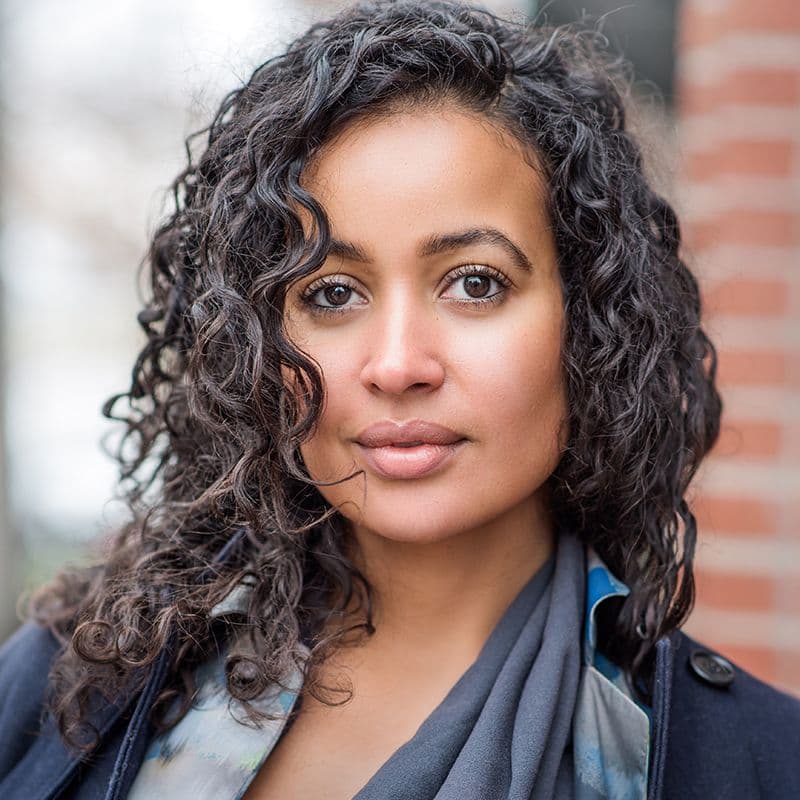
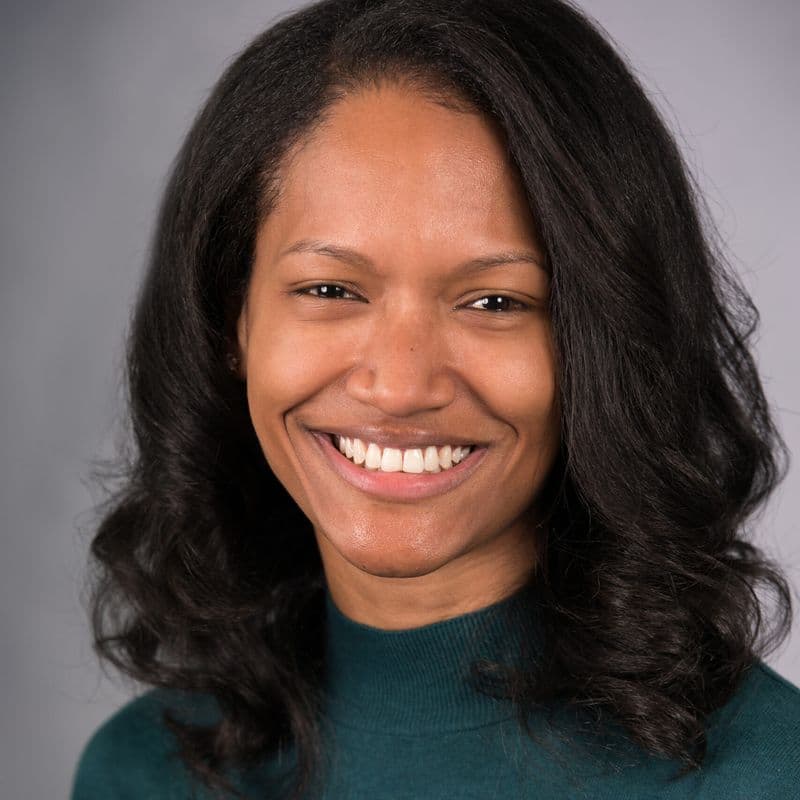

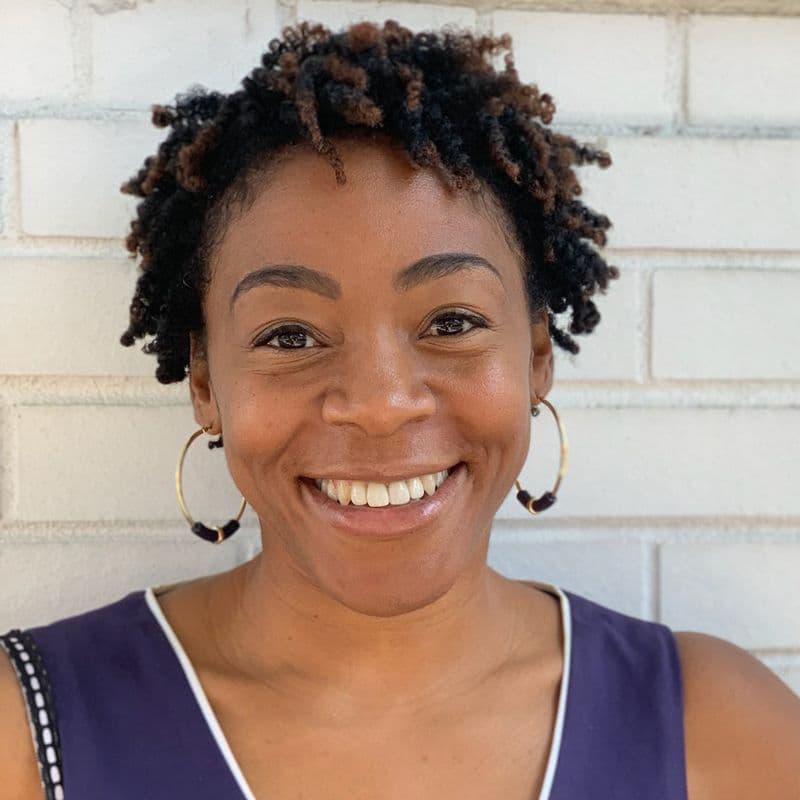
Research to identify how families from historically marginalized backgrounds can better access services should partner with members of those communities to increase the relevancy of findings and create sustainable change. In our work to advance early childhood equity in New Hampshire, Child Trends partnered with community co-researchers to begin an Early Childhood Equity Movement. The videos below feature these co-researchers discussing how equity and shared decision-making impacted families’ lives, thereby helping families and communities recognize their own power to overcome challenges related to trust and language barriers.
Our co-researchers represent seven racial/ethnic or linguistic communities in New Hampshire: African American, Arabic, Native American, Nepalese, Portuguese, Spanish, and Swahili. They were core to the decision-making process at every stage of the project, including planning, recruitment, data collection and analysis, and dissemination of findings. Most importantly, they provided critical insight about how to approach their communities to uplift their most pressing needs—insight that informed our every action as researchers.
About the Early Childhood Equity Movement
The Early Childhood Equity Movement (ECEM)—a collaboration between Child Trends, the Endowment for Health, and various community members and leaders across New Hampshire—reimagines what it means to support diverse communities of children and families within three cities in New Hampshire and with Native American tribes across the whole state. The ECEM talks directly with families from diverse racial/ethnic or linguistic backgrounds to learn which factors would most improve their access to critical services, including early care and education, health care, and other family services (e.g., housing, SNAP/EBT).
Videos
 Play video
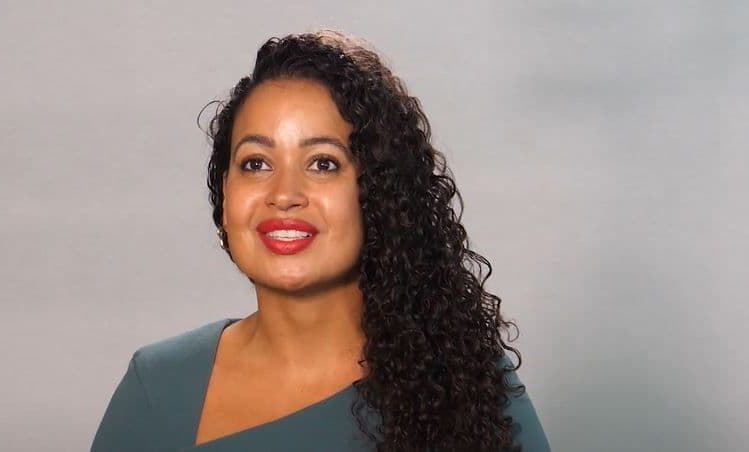
Principal Investigator Manica F. Ramos describes these community partnerships as the seeds of a movement toward broader, sustained change in how researchers collect information on and for communities and families. The ECEM aims to uncover the root causes of—and solutions to—continued racial/ethnic or linguistic gaps in outcomes within New Hampshire’s communities.
Manica F. Ramos: My name is Manica Ramos, and I’m so excited to share how Child Trends partners with communities to center equity so that children and families may better access services.
For over two years, we collaborated with the Endowment for Health and community members within New Hampshire to start an Early Childhood Movement. We call our partnership a movement rather than a research project because the aim is to build momentum towards collective and collaborative change. By partnering with community members, the movement grows and sustains beyond one organization.
We partnered with community researchers to host 11 virtual conversations, also called focus groups, among Native and African Americans, and Swahili, Spanish, Portuguese, Nepalese, and Arabic speaking families from various countries. The voices of these families in their six native languages reveal what is working and what is not working regarding accessing and using services.
Collectively, we consider historical and current lived realities, including structural racism. Using a racial equity research approach, we focus on the root causes of issues, so the proposed solutions address the underlying reasons for disparities within service systems.
Key to our success is our community researchers who co-designed and co-implemented the research study as well as co-analyzed and co-presented the findings. These community researchers are at the heart of the Early Childhood Movement. Their knowledge about the communities informs each phase of the work to ensure true understanding, honest sharing among families, and real time relevance in an ever-evolving world.
 Play video
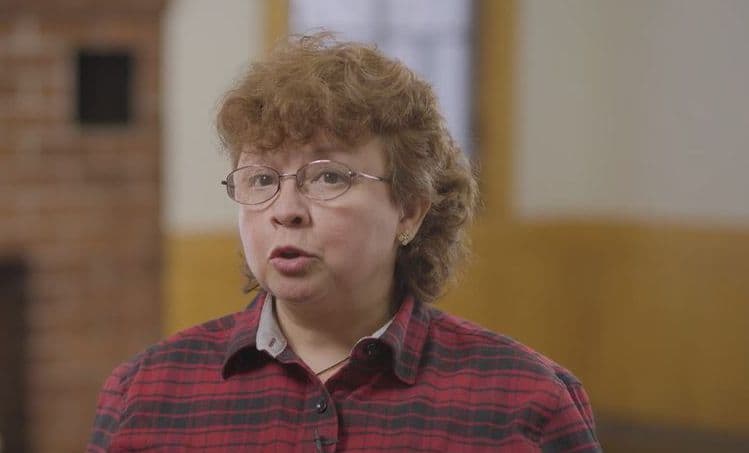
Community co-researchers were motivated by a desire to help families recognize their power to advocate for change in their communities. They were driven by personal and professional motivations to help members of their community more effectively navigate child care, health care, and other critical—but often inaccessible—services.
Martha Alvarado: I decided to get involved in this movement because I know we all need support and guidance to be able to get a better quality of life and to help these families, these mothers, this community to get ahead. And it meant a lot to me because I learned more from other organizations and ways to help my community more.
Hamisi Juma: Actually, the reason that pushed me to join this project is to help our friends, our family members, and all members of our community.
Keya Doyle: I wanted to hear their voice in terms of, you know, what services they were or weren't receiving in terms of child care, healthcare, or any other services that they were lacking. And it was really important to find out what was missing in those communities and how we can find a better solution.
 Play video
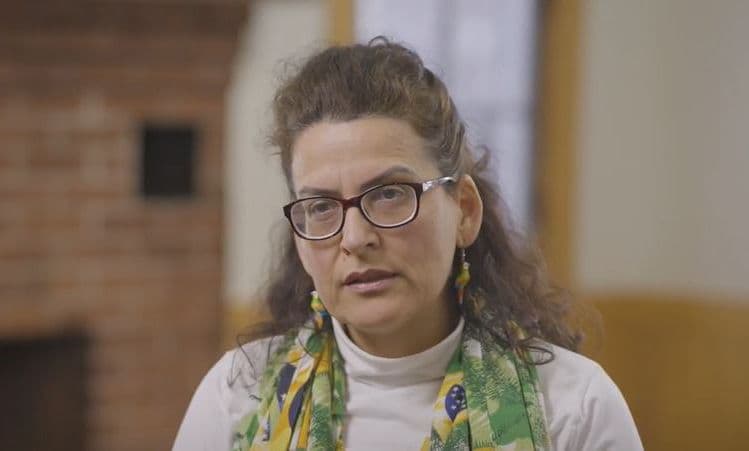
The community co-researchers shared their favorite part of the work: The simple act of listening to families and communities to learn what they most need. Listening allowed co-researchers to better connect with communities, make recommendations to tailor services based on community members’ responses, and recognize common challenges among the many New Hampshire communities.
Sandra Pratt: My favorite part of this research was talking to the families. Knowing the difficulty they go through, with regard to care in hospitals, schools. Talking about the families' difficulties and trying to solve them, trying to help these families.
Wanda Castillo: My favorite part of this process, the one that satisfied me the most, was that the Endowment for Health and Child Trends took time to listen to what the families and the community had to say and took action. Not only telling the participant that they were listening, but they were really doing something about what they were saying.
Logan Levesque: My favorite part of this work was the fact that we were able to kind of cater the process to the community and we were able to make questions that were designed and brought before an advisory board full of people that were from the Nashua, Manchester, and Concord area.
Chief Paul Bunnell: It was the interviewing. Interviewing was very interesting, and especially working with the other different cultures. That was rewarding. You got to see all the different things that were available. So it was an education for me.
 Play video
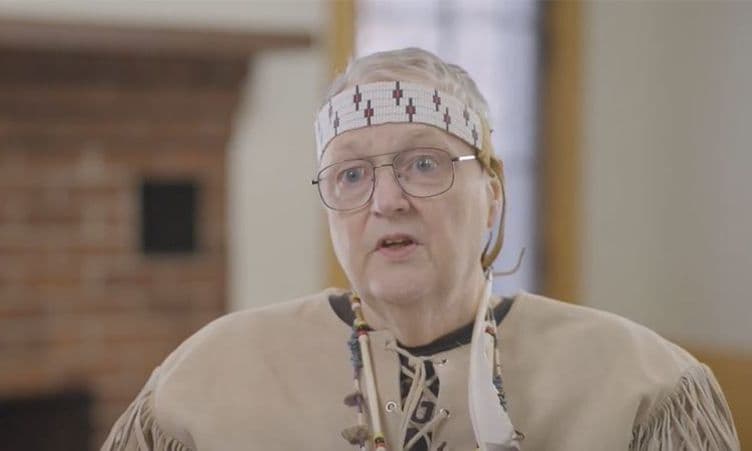
Community co-researchers spoke about their communities’ greatest needs. These included the need to repair broken trust between communities and the governments and research organizations with which they may need to work, and the need to overcome language barriers that prevent some community members from accessing needed services.
Chief Paul Bunnell: There's a lot of mistrust in the Native American community. And to break that down and to work with the agencies, to have them understand our views and to educate our people to develop a trust.
Logan Levesque: Well, I think that it's really important that we create welcoming spaces for all people, including our Black fathers.
Hamisi Juma: Whenever they want to help someone who speaks Swahili, they should bring an interpreter who speaks Swahili very well, someone they can easily get along with.
Padmashree Rimal: The main difficulty of the community is the language. For example, the test for a driving license is in the English language. If the test could be in Nepalese language, they could understand it and they might be able to answer in English even if it's not perfect.
 Play video
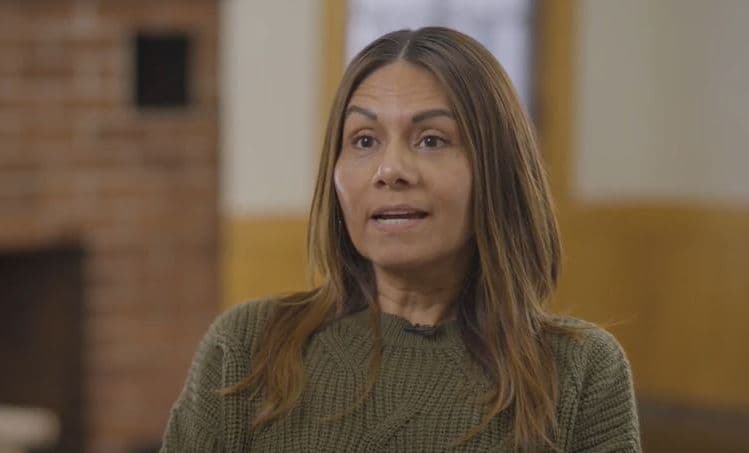
The community co-researchers reflected on which strengths among New Hampshire’s diverse families brought them the most joy. Their answers speak to an almost universal strength: that these families feel a sense of unity among themselves and within their broader communities of friends and colleagues.
Sandra White: The strength that gives me the most joy about the New Hampshire families is the community connections—the sense of unity. When someone needs a service or help finding it somewhere, they usually go first to their families; if they don't find the answers there, then from there, they expand the search to their friends, their co-workers, and somehow they find the answer to the question they have.
Sandra Pratt: It certainly is that feeling, that unity among the population, among us Brazilians. One helps the other, one indicates service to the other, assistance. Our union. We are a very big family.
Hamisi Juma: The unity that we Swahili speakers have among ourselves, that unity really helps a lot.
One community co-researcher reflected on her participation in an audio-only format. She valued her co-research experience in part because she identified with many of the lived experiences shared by New Hampshire’s refugees and immigrants.
[audio m4a="https://media.childtrends.org/media/UsingLivedExperiences.m4a"][/audio]
Amina Chiboub: I decided to participate in this movement because I live many of the same experiences that these refugees and/or immigrants live. Because of the difficulty and challenges that they live through, participating in these programs is a way to understand and reach them. This means a lot to me, as I am a member of their community. Even if there is only a small way, I can help them or help them find an answer to a question.
I would like to tell that the Arabic community is strong, but I think we face big challenges, especially in the health care field where we face many difficulties, from programs to information and services.
Credits
Research experts: Manica F. Ramos, Kristine Andrews, Yosmary Rodriguez, Joselyn-Angeles Figueroa
Community co-researchers: Martha Alvarado, Chief Paul Bunnell, Wanda Castillo, Amina Chiboub, Keya Doyle, Sherry Gould, Hamisi Juma, Joslyn Kuchinski, Logan Levesque, Sandra Pratt, Padmashree Rimal, Sandra White
Video direction: Catherine Nichols
Production (videography, editing, graphics): Eleven-11
Logistics coordinator: Yosmary Rodriguez
Funder acknowledgement
This work was generously supported by the Endowment for Health of New Hampshire. We are grateful for their support, and especially for their partnership in each phase of this work. We also acknowledge the Irving Harris Foundation for their funding which generously supported the production of these videos.
Special thanks
We would like to thank the co-researchers who co-designed and co-implemented this research study, as well as co-analyzed and confirmed the research findings—this work would not be possible without their expertise and partnerships. Specifically, we would like to acknowledge Martha Alvarado, Chief Paul Bunnell, Wanda Castillo, Amina Chiboub, Keya Doyle, Sherry Gould, Hamisi Juma, Joslyn Kuchinski, Logan Levesque, Sandra Pratt, Padmashree “Dee” Rimal, and Sandra White. We would also like to thank the Early Childhood Equity Movement advisory board for their dedication, contributions, ideas, and support of equity in New Hampshire family services, including the co-researchers listed above, Bobbie Bagley, Eva Castillo, Lynn Clowes, Jackie Cowell, Bruno D’Britto, Karen Emis-Williams, Rute Ferreira, Pastor Junior, Meredith O’Shea, Wendy Perron, Vera Sheehan, and Patricia Tilley.
Suggested citation
Ramos, M.F., Rodriguez, Y., Angeles-Figueroa, J., & Andrews, K. (2023). Equitable community research partnerships power long-lasting change [brief and videos]. Child Trends. https://doi.org/10.56417/5684k5188q